Free Consultation • Available 24/7


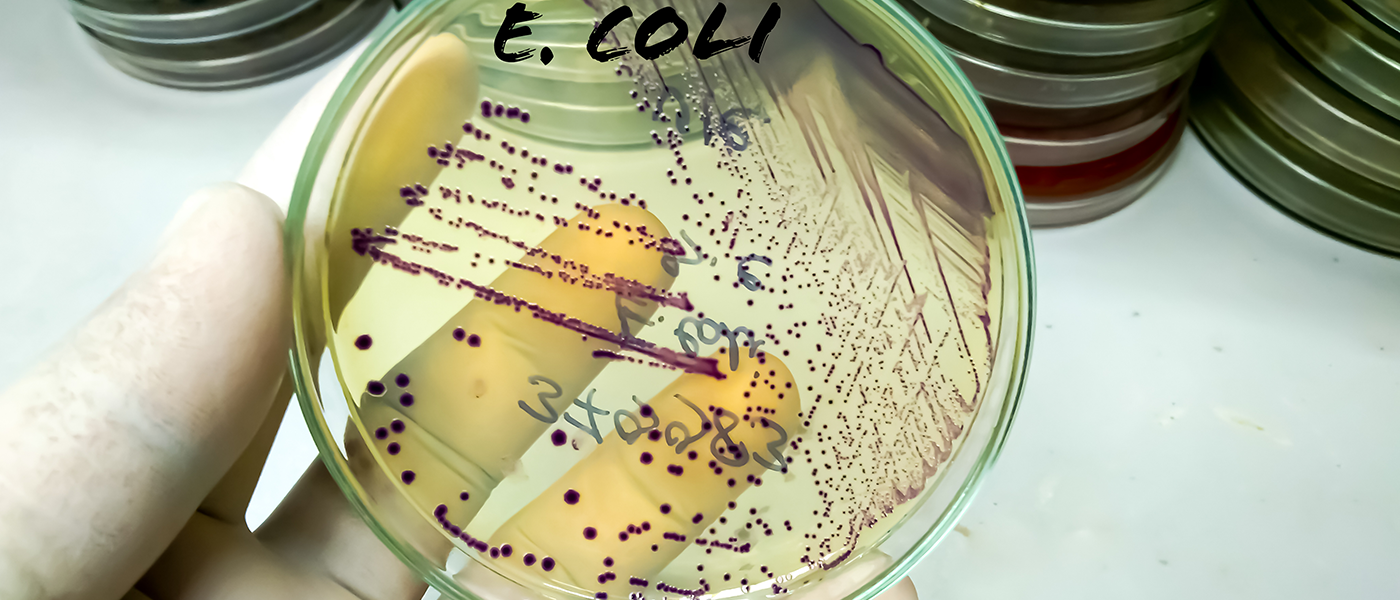
Some E. coli infections can cause a serious condition that can injure the kidneys. Identifying the food source can be critical.
E. coli is a type of bacteria. While most strains do not cause illness, some strains can cause serious food poisoning when they contaminate food or water. E. coli infections in food have been linked to undercooked ground beef, unpasteurized dairy products, fresh produce, and other foods that were not safely handled. A person may become sick after eating contaminated food from a restaurant or grocery store.
Symptoms may include severe stomach cramps, diarrhea, nausea, vomiting, and dehydration. Some people develop bloody diarrhea. Most recover, but some require hospital care. In a small number of cases, an E. coli infection can lead to a condition called hemolytic uremic syndrome, or HUS. HUS can cause kidney failure and may require extensive medical treatment.
Finding the source of an E. coli infection can be complex. Contamination may occur at the farm, processing facility, distribution center, grocery store, or restaurant. Berry Law investigates food poisoning claims involving E. coli and other dangerous bacteria. We review the medical evidence, identify available records, and examine the supply chain to determine whether a claim may be available. When one contaminated product harms multiple people, the cases may be coordinated. Each person’s medical treatment, lost income, and other losses remain individual.
A prompt legal review can help identify the information that should be preserved while you focus on your health and recovery.
A mass tort allows many people who were harmed in a similar way by the same product, event, or company to bring separate legal claims. It differs from a class action because each person’s case remains individual. In an E. coli outbreak, people who became ill after eating the same contaminated food, or food supplied by the same restaurant chain or distributor, may be able to take part in coordinated litigation. The cases may be handled together during the early stages so attorneys can share evidence and investigate common issues. This process can help trace the source of contamination, review food-safety practices, and determine which companies may have contributed to the outbreak. Each person’s medical expenses, lost income, and other losses are still evaluated based on their own circumstances.
If you have been diagnosed with a confirmed E. coli infection linked to a widespread outbreak, you possess the legal right to pursue comprehensive compensation for your damages if it was someone else’s fault. A successful case can cover your immediate and long-term medical expenses, including emergency room bills, diagnostic lab work, prescription medications, and any specialized treatments required for serious complications like kidney failure. Furthermore, you can be repaid for lost wages if the illness forces you to miss work, and you could get paid for future lost earnings if you suffer lasting physical harm. Beyond these tangible financial losses, a claim addresses non-economic damages. This includes compensation for the physical pain and suffering you endured during the illness, emotional distress, and the loss of enjoyment of life caused by a prolonged, exhausting recovery process.
Public health agencies, including the CDC and the FDA, employ rigorous epidemiological and laboratory techniques to trace an E. coli outbreak back to its exact origin. When a healthcare provider diagnoses a patient with E. coli, the bacterial sample is analyzed using advanced DNA fingerprinting methods such as Whole Genome Sequencing (WGS). By comparing these genetic profiles, scientists can determine if multiple infections across different areas are identical, confirming a shared contamination source. At the same time, investigators interview affected individuals about their detailed dietary histories, tracking what and where they ate before becoming ill. When all of this data points toward a specific food chain or ingredient, investigators map out commercial distribution routes to find the exact processing plant or farm responsible, which often leads to national product recalls and evidence for your lawsuit.
While a harmful strain of E. coli can cause severe, disruptive illness in any healthy adult, certain vulnerable populations face a much higher risk of developing life-threatening complications. Young children, senior citizens, pregnant women, and individuals with compromised immune systems are the most susceptible to severe outcomes. A serious complication associated with toxic E. coli strains is Hemolytic Uremic Syndrome (HUS), a severe condition that destroys red blood cells and clogs the filtering system in the kidneys, potentially leading to acute kidney failure. HUS requires immediate, intensive hospitalization, blood transfusions, or temporary dialysis, and it can leave vulnerable patients with permanent organ damage. When corporate negligence allows contaminated food to reach these high-risk consumers, the long-term consequences may require continuing medical care.
Practical tools and clear information to help you understand your legal options. Explore Berry Law articles, videos, and calculators for Veterans, injured people, and their families.

Get a free review of your case from our personal injury attorneys.


A strong claim starts with the facts and follows the evidence. Berry Law handles the legal work so you can focus on your recovery.
We review your case at no cost and explain your options.
You can call us 24/7.
We gather evidence, obtain medical records, interview witnesses and build your case.
We negotiate aggressively with insurance companies to get you fair compensation.
We settle your case or take it to trial if the insurance company will not pay fairly.

Contact our personal injury attorneys today for a free consultation. We understand what you're going through and will fight for the compensation you're entitled to.


