Free Consultation • Available 24/7


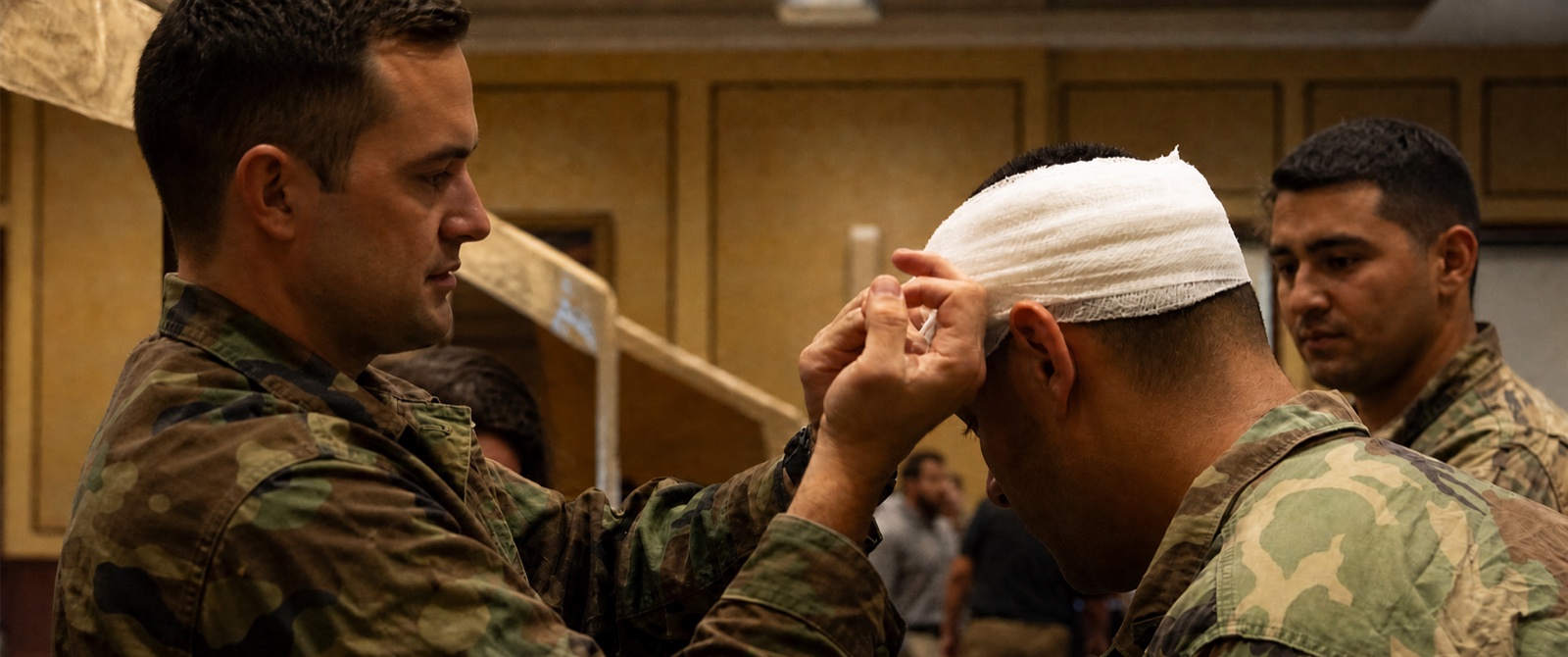
TBI symptoms can overlap with PTSD, migraines, and mental health conditions. An appeal should address every effect the VA must consider.
A traumatic brain injury, or TBI, happens when a blow, jolt, or other injury to the head affects how the brain works. The effects can be physical, mental, and emotional. A Veteran may experience headaches, dizziness, sleep problems, memory loss, trouble concentrating, mood changes, or difficulty managing daily tasks.
Some TBI symptoms are not obvious to other people. The medical community often calls TBI an “invisible injury” because a person may not appear to be sick or in pain. A Veteran may look well while struggling to remember instructions, complete familiar tasks, manage stress, or stay focused at work. These limitations can affect family life, employment, and independence.
The VA assigns a disability rating based on the lasting effects of a service-connected TBI. Symptoms may overlap with PTSD, depression, migraines, hearing problems, or other conditions. That can make a TBI appeal more complex. The evidence that you provide the VA must clearly show how the TBI affects your daily life and ability to function.
Berry Law represents Veterans appealing denied TBI disability claims and ratings that do not match the evidence. The firm reviews the VA decision, medical records, service records, and prior examination findings. It identifies what the VA did not fully address and develops the appeal for the benefits supported by the record. At Berry Law, our Veteran-led team works to establish the correct TBI rating.
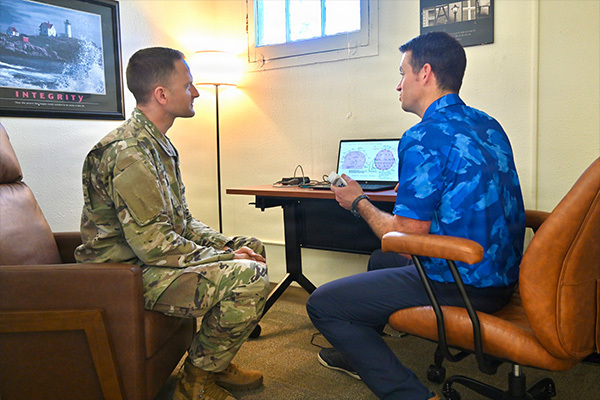
TBI symptoms can change how a Veteran thinks, feels, and functions. The effects may include:
A TBI appeal should explain how these symptoms affect everyday life. Medical records matter, but so does evidence showing what a Veteran can no longer do reliably at home, at work, or in the community.
The VA recognizes that TBI can affect thinking, physical function, mood, and behavior.
The VA defines a Traumatic Brain Injury (TBI) as brain damage that happens when an outside physical force, such as a blast wave, a fall, or a car crash, causes an injury. Unlike other injuries, the VA evaluates a TBI claim based on how its long-term effects, known as residuals, impact your daily thinking, emotions, and physical ability, rather than focusing on how severe the first injury was. For a successful claim, a qualified medical professional or VA examiner must provide the official diagnosis and document the current residual symptoms.
To rate the effects of a TBI, the VA measures thinking and functional problems across ten specific areas, which they call "facets of TBI residuals". These ten facets cover critical functions like memory, focus and attention, planning and organizing, judgment, and knowing where you are (orientation). Each individual area is then graded based on its severity, using a scale that ranges from 0 to 3, or "total". The rules state that if any single area, even a small one like impaired judgment or memory, is rated as "total" severity (meaning the function is completely lost), you automatically qualify for a 100% disability rating.
The VA recognizes that TBIs and mental health problems such as PTSD/PTSI often occur together and share similar symptoms, making them hard to tell apart. To avoid rating the same issue twice, the VA will usually combine the effects of the TBI with your mental health condition. The VA's goal is to assign one total combined rating that gives you the highest possible benefit of the two conditions, based on the symptoms that are most prominent or cause the most social and occupational impairment.
The VA officially recognizes five illnesses as secondary to a service-connected Traumatic Brain Injury (TBI). This means that if a Veteran has a service-connected TBI, and one of these conditions develops, the VA presumes the TBI caused it, making it easier to receive compensation. The five illnesses recognized by the VA are: 1. Parkinson's disease (with onset after service) 2. Unprovoked seizures/epilepsy (with onset after service) 3. Certain types of dementia (including pre-senile dementia) 4. Depression (if occurring within one to three years after the TBI, depending on the severity of the TBI) 5. Diseases of hormone deficiency (including hypopituitarism, if occurring within one year of the TBI) These presumptions simplify the burden of proof for the Veteran.

We help obtain medical opinions, buddy statements, and other supporting evidence.

We represent you before the VA and handle all communication on your behalf.

We review your claim history, denial letters, and medical records at no cost.
Practical tools and clear information to help you understand your legal options. Explore Berry Law articles, videos, and calculators for Veterans, injured people, and their families.

Get a free review of your VA appeals from our Veteran attorneys.

Contact our Veteran attorneys today for a free consultation. We understand your service and will fight for the benefits you have earned.