Free Consultation • Available 24/7



Private employers report roughly 2.5 million workplace injuries and illnesses each year. Berry Law helps injured workers protect their rights.
An on-the-job injury creates two problems at once: you need medical care, and you may be unable to work. Workers’ compensation is designed to address both. It generally provides benefits without requiring you to prove that your employer caused the injury. Depending on the claim, those benefits may include medical care, wage replacement, and disability payments.
The process is not automatic. Claim forms, medical records, work restrictions, and filing deadlines can affect whether benefits are paid on time. An insurance carrier may question whether a condition is work-related or whether certain treatment is necessary. Delays and denials can leave an injured worker without the support they need during recovery.
Berry Law reviews the claim, organizes the supporting documentation, and manages communications with the insurance carrier. If a claim is denied, we handle the appeal and present the evidence needed to support the requested benefits.
We also examine whether another person or company contributed to the injury. If so, there may be a separate claim in addition to workers’ compensation. Our attorneys explain the available options and handle the legal process so you can focus on treatment and recovery.
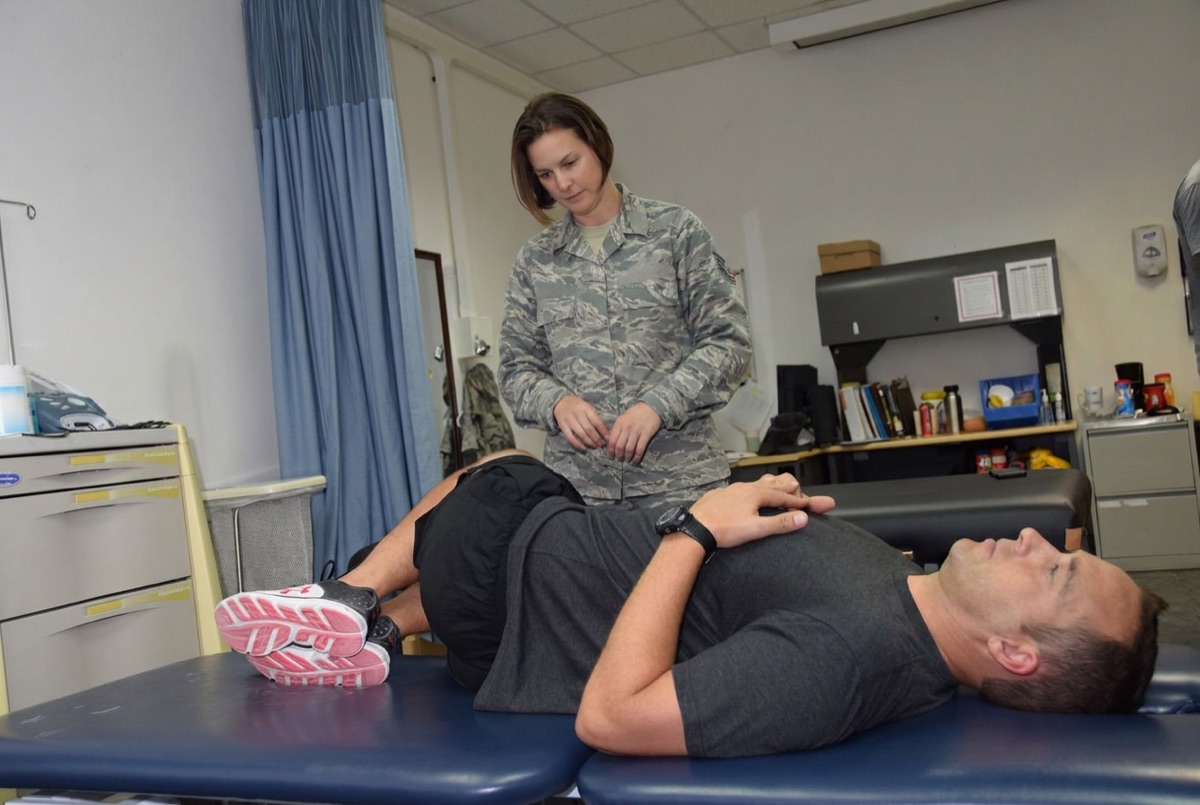
No, you do not need to prove your employer was at fault to qualify for workers’ compensation. Workers’ compensation is a "no-fault" insurance system, meaning that as long as your injury or illness occurred within the course and scope of your employment, you are generally eligible for benefits. This system is designed to provide immediate support to workers without the need for lengthy litigation to determine negligence. However, this trade-off typically means you cannot sue your employer directly for personal injury damages. While the lack of a "fault" requirement simplifies the initial filing, insurance companies may still dispute the claim by arguing the injury was not work-related or was pre-existing. Having legal counsel helps ensure that the connection between your work and your injury is clearly established, protecting your access to medical coverage and wage replacement.
If your claim is denied, it is not the end of the road, but you must act quickly to appeal the decision. Insurance companies often deny claims for various reasons, such as missed deadlines, disputes over the severity of the injury, or lack of medical evidence. The appeals process involves specific legal procedures, including hearings where you must present evidence to support your claim. During this time, it is critical to have an attorney who can manage the complex paperwork, meet strict filing deadlines, and advocate on your behalf before a judge or workers' compensation board. Berry Law assists clients by countering insurance delay tactics and identifying the specific evidence needed to overturn a denial, ensuring that you have the best possible chance of receiving the benefits you were wrongfully denied.
Approved workers’ compensation claims provide several categories of financial and medical support. First, you are entitled to comprehensive medical coverage, which includes hospital visits, surgeries, prescriptions, and physical therapy related to your injury. Second, you can receive wage-replacement benefits, which typically cover a portion of your lost income if you are unable to work during your recovery. These are often categorized as temporary total disability or temporary partial disability benefits. If your injury results in a long-term impairment, you may be eligible for permanent disability benefits. Additionally, workers’ compensation may provide vocational rehabilitation to help you transition to a different role if you can no longer perform your previous job. In the tragic event of a workplace fatality, death benefits are available to help support the surviving family members of the deceased worker.
While you generally cannot sue your employer for a workplace injury due to the "no-fault" nature of workers' compensation, you may be able to file a third-party personal injury lawsuit. If a party other than your employer or a co-worker contributed to your injury, such as a negligent driver while you were traveling for work, a manufacturer of a defective piece of equipment, or a subcontractor on a job site, you may have grounds for a separate legal action. A third-party claim can be vital because workers' compensation only covers medical bills and a portion of lost wages; it does not provide compensation for pain and suffering or full wage replacement. An experienced attorney can evaluate your case to determine if third-party liability exists, potentially allowing you to recover additional damages that the workers' compensation system does not cover.
Practical tools and clear information to help you understand your legal options. Explore Berry Law articles, videos, and calculators for Veterans, injured people, and their families.

Get a free review of your case from our personal injury attorneys.


A strong claim starts with the facts and follows the evidence. Berry Law handles the legal work so you can focus on your recovery.
We review your case at no cost and explain your options.
You can call us 24/7.
We gather evidence, obtain medical records, interview witnesses and build your case.
We negotiate aggressively with insurance companies to get you fair compensation.
We settle your case or take it to trial if the insurance company will not pay fairly.

Contact our personal injury attorneys today for a free consultation. We understand what you're going through and will fight for the compensation you're entitled to.


