Free Consultation • Available 24/7


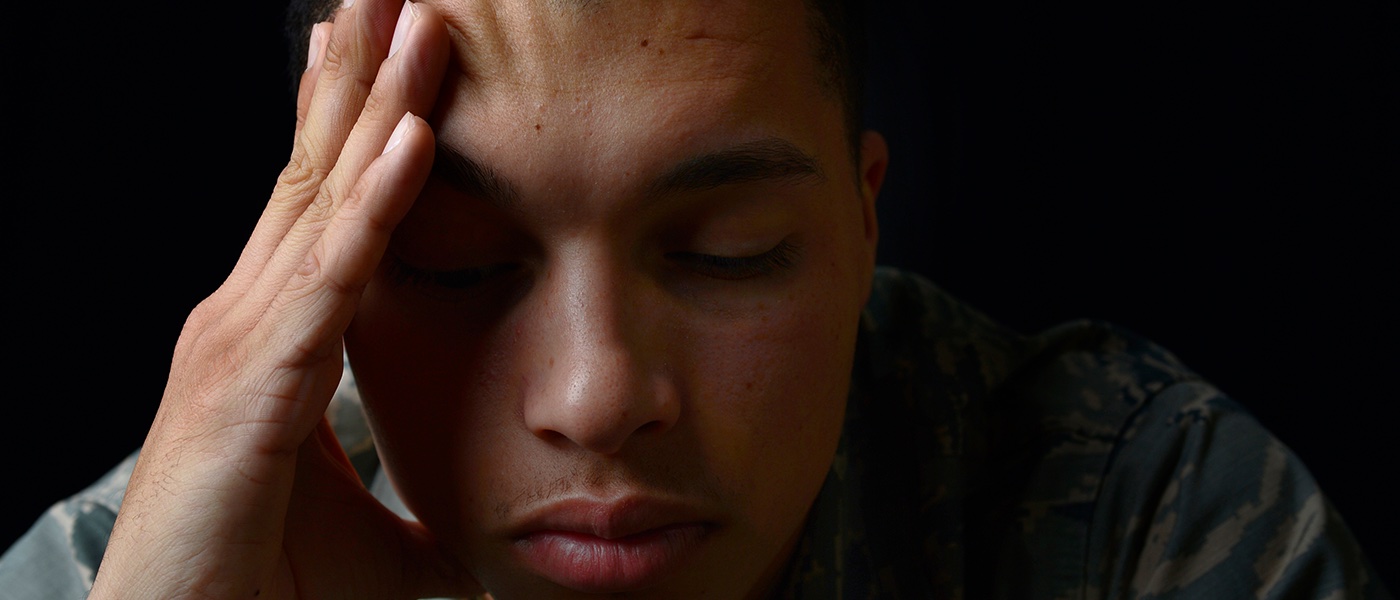
PTSD can result from combat, military sexual trauma, accidents, and other traumatic events. A denied claim is not always the end of the process.
Post-traumatic stress disorder, or PTSD, is a mental health condition that can develop after a traumatic event. It is sometimes called post-traumatic stress injury, or PTSI. Post-traumatic stress disorder can follow combat, a training incident, military sexual trauma, an assault, an accident, or another traumatic event during service.
The VA assigns PTSD ratings from 0% to 100%. The rating is based on how PTSD affects your ability to function at work, at home, and around other people. The VA may consider symptoms such as nightmares, panic, isolation, memory problems, anger, difficulty concentrating, sleep disruption, and trouble maintaining relationships. A Compensation and Pension (C&P) exam may also play an important role in the rating decision.
The VA must see three things before it can grant your PTSD claim. First, a qualified mental health provider must diagnose PTSD from a traumatic event. Second, the traumatic event must have occurred during your service. Third, medical evidence must connect your current PTSD symptoms to that event.
A denied PTSD claim or a low PTSD rating often means the VA needs more information about the in-service event, or the VA may not have enough evidence to understand how your symptoms affect your daily life. Berry Law focuses on appeals for Veterans whose PTSD claims were denied or whose ratings do not reflect the documented impact of their symptoms.
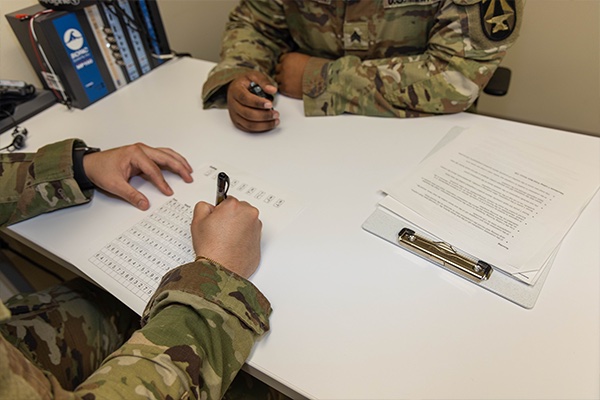
A diagnosis alone is not enough. The VA generally looks for:
Medical records, service records, and supporting statements can help document each part of the claim.
An in-service stressor is a specific traumatic event that links your current PTSD diagnosis to your military service. This event involves being exposed to actual or threatened death, serious injury, or sexual violence. The event must have occurred during your active-duty service. This includes direct involvement in combat, surviving severe training accidents, experiencing terrorist actions, or being the victim of a personal assault. You must have either experienced it directly, watched it happen to others, learned of it happening to a close family member or friend, or handled extreme and often gruesome details of the event during your job duties. The evidence needed to verify the stressor can vary significantly depending on whether the event was combat-related or a non-combat event.
While official documentation, such as combat awards or medals, will make it easier to prove a combat-related stressor, non-combat events or unreported personal assaults often require different types of proof. For these claims, the VA reviews and weighs other evidence to confirm the traumatic event occurred. You can submit several kinds of documentation, including your own detailed personal impact statements describing the event and its lasting effects. The VA also accepts military work reviews, or statements from people who know you, referred to as "buddy statements" from relatives, friends, chaplains, or counselors, who can confirm changes in your behavior or that you told them about the event when it happened. This non-official evidence is helpful when standard military records are not available.
During a PTSD Compensation and Pension (C&P) exam, the VA examiner will check four main types of symptoms to determine the severity and frequency of your PTSD. The four symptom clusters are: - Unwanted thoughts or flashbacks (re-experiencing the trauma) - Actively avoiding places, people, or conversations that trigger memories - Changes in mood or memory (like an inability to remember the traumatic event or having a negative outlook) - Being easily startled or irritable (hyperarousal), which often manifests as severe trouble sleeping or reckless behavior Your final disability rating, which ranges from 0% to 100%, depends directly on how often these symptoms occur, how much they interfere with your social life and relationships, and your overall ability to hold a job and perform at work. The examiner will use a standardized evaluation tool to grade the impact of these symptoms.

We help obtain medical opinions, buddy statements, and other supporting evidence.

We represent you before the VA and handle all communication on your behalf.

We review your claim history, denial letters, and medical records at no cost.
Practical tools and clear information to help you understand your legal options. Explore Berry Law articles, videos, and calculators for Veterans, injured people, and their families.

Get a free review of your VA appeals from our Veteran attorneys.

Contact our Veteran attorneys today for a free consultation. We understand your service and will fight for the benefits you have earned.