Free Consultation • Available 24/7


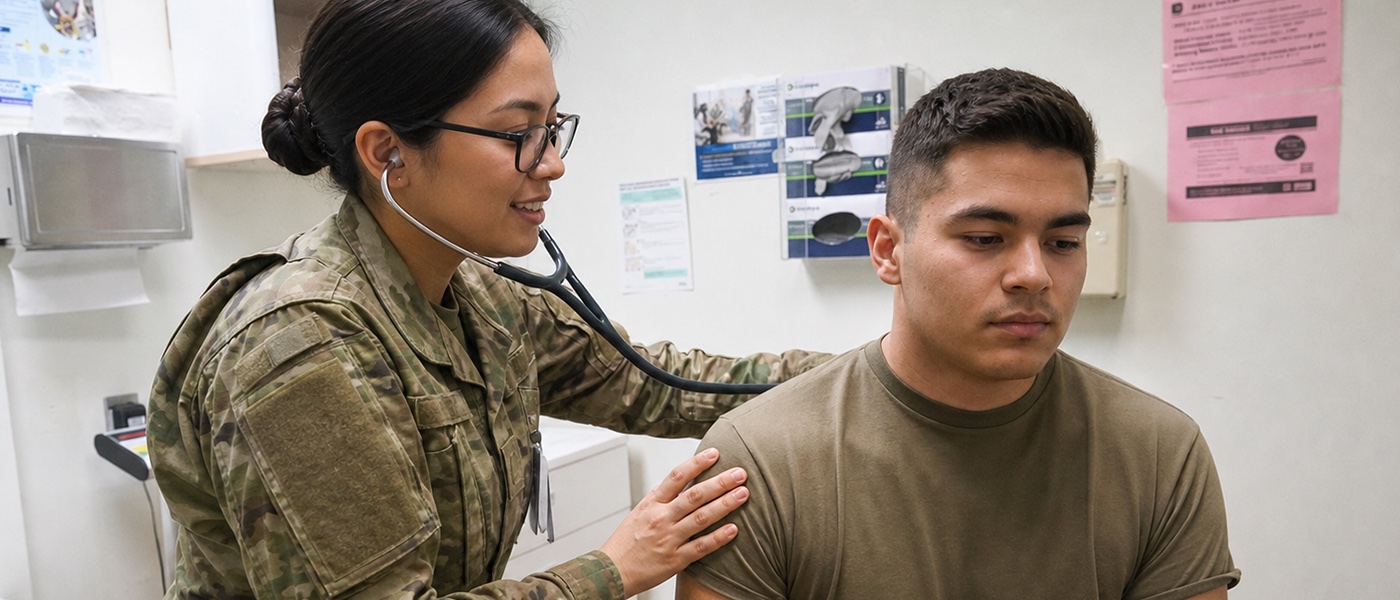
The VA assigns disability ratings from 0% to 100%. An appeal may be appropriate when the rating does not match your documented symptoms.
Your VA disability rating is the percentage the VA assigns to a service-connected condition. “Service-connected” means the VA has determined that your military service caused the condition or made it worse. The VA uses that rating to calculate your monthly disability compensation and to determine eligibility for certain other benefits.
A rating should reflect how your condition affects your health and ability to function. Pain, limited movement, sleep problems, memory issues, mental health symptoms, missed work, and difficulty with daily activities can all matter. Your condition may also worsen over time. When that happens, the rating you received years ago may no longer reflect your current level of disability. If your service-connected condition has become worse since the VA assigned the rating, you may need to file an increased-rating claim.
An increased-rating claim asks the VA to review current evidence and decide whether your condition now meets the requirements for a higher percentage. The VA may review treatment records, test results, doctor’s opinions, personal statements, and statements from people who see how the condition affects your life. The VA may also schedule a Compensation and Pension, or C&P, exam. This is an exam the VA uses to evaluate the severity of a condition.
The strongest evidence does more than list a diagnosis. It explains what the condition prevents you from doing. For example, it may describe how often symptoms occur, how long flare-ups last, the treatment you need, or how your condition affects work, family responsibilities, sleep, mobility, and daily activities.
Berry Law represents Veterans nationwide who seek higher VA disability ratings. We review your rating decision, medical evidence, and current disability to identify whether an increased-rating claim or appeal is appropriate.

You may consider filing for a disability rating increase when your current rating no longer accurately reflects the severity of your service-connected conditions and their impact on your daily life. Sometimes, the initial VA disability rating is too low because the full impact of the injury or illness takes time to manifest or your health worsens over time. Additionally, if your symptoms now meet the criteria for a higher percentage rating according to the VA’s Schedule for Rating Disabilities, you may file for an increase. It is helpful to have recent evidence supporting your claim.
The difference between an initial and a non-initial rating increase centers on the one-year appeal window following the VA’s first decision. In most circumstances, you can request an initial increase if you appeal the rating decision within one year after the VA first grants service connection for the condition. This is important because if you win the appeal for an initial increase, the higher monthly pay is backdated to your original start date--often the date the VA first received your claim. A non-initial increase, in contrast, is filed after that one-year window is closed, using VA Form 21-526EZ or a Supplemental Claim. In this scenario, the effective date for the higher pay is typically the date the VA received your request for an increase, not the original filing date. A non-initial increase requires proof that your service-connected disability is worse than the original rating reflects.
Yes. Many primary, service-connected health problems directly cause or worsen secondary medical issues, which can significantly increase your overall combined disability rating. Examples include depression caused by severe chronic physical pain from a back injury or Gastroesophageal Reflux Disease (GERD) due to prescribed medications taken for another service-connected condition. Secondary conditions caused or aggravated by your primary service-connected condition can lead to a higher final combined rating and increased monthly benefits.
The VA will likely require a new Compensation and Pension (C&P) medical exam at a VA center or by a VA-authorized physician to process your request for an increase. This examination is an important piece of evidence the VA will use to determine if your condition has worsened enough to warrant a higher rating. The C&P examiner's report detailing your current symptoms and their severity will directly influence the percentage assigned.

We help obtain medical opinions, buddy statements, and other supporting evidence.

We represent you before the VA and handle all communication on your behalf.

We review your claim history, denial letters, and medical records at no cost.
Practical tools and clear information to help you understand your legal options. Explore Berry Law articles, videos, and calculators for Veterans, injured people, and their families.

Get a free review of your VA appeals from our Veteran attorneys.

Contact our Veteran attorneys today for a free consultation. We understand your service and will fight for the benefits you have earned.