Free Consultation • Available 24/7


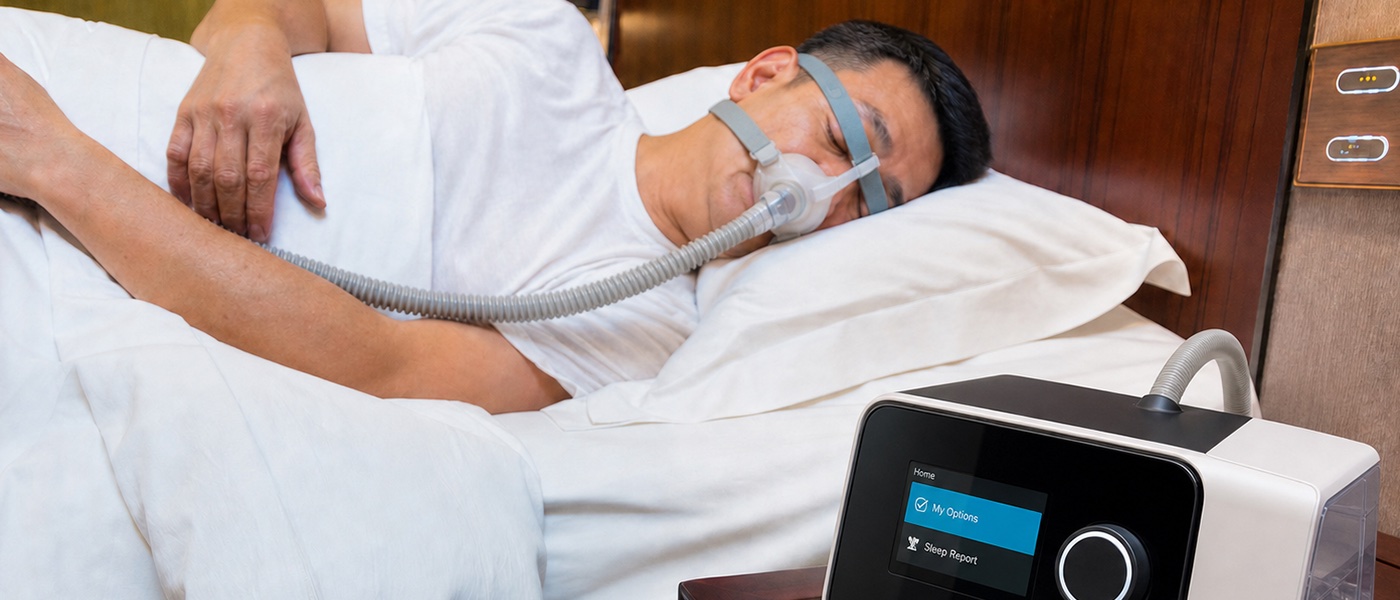
The VA assigns a rating when a CPAP or similar device is required. A diagnosis is only part of the case.
Sleep apnea is a condition that causes breathing to stop and restart during sleep. It can leave a Veteran exhausted even after a full night in bed. Common effects include loud snoring, daytime sleepiness, headaches, trouble concentrating, and difficulty staying alert at work or while driving.
A sleep study is a test that records breathing and other activity during sleep. It often provides the diagnosis the VA needs to evaluate a sleep apnea claim. But a diagnosis alone does not establish service connection. Service connection means the evidence shows that the condition began during service or resulted from a service-connected condition.
Sleep apnea may also be claimed as a secondary condition. A secondary condition is one caused or made worse by an already service-connected disability or its treatment. These cases require medical evidence that explains the connection. The VA may deny a claim when that evidence is missing, unclear, or not fully considered.
Berry Law represents Veterans appealing denied sleep apnea claims and ratings that do not match the evidence. The firm reviews the VA decision, sleep-study results, medical records, and opinions from treating providers. Berry Law’s VA-accredited attorneys identify what the VA did not fully address and develop the appeal for you.

The VA rates sleep apnea based on the severity of the symptoms and the type of treatment required. A low rating means the condition is diagnosed but does not cause sufficient impairment for higher compensation. A 50 percent rating is automatic if your doctor requires you to use a CPAP machine or other breathing assistance device. The 100 percent rating is reserved for the most severe cases, typically those requiring surgery or causing chronic respiratory failure. Because rating criteria are strict, your medical records must clearly demonstrate your specific treatment needs.
Yes, claiming sleep apnea as a secondary condition is a common and effective strategy for many Veterans. If you have an existing service-connected disability, such as PTSD or a musculoskeletal injury, it may have contributed to the development or worsening of your sleep apnea. For example, medication side effects, chronic pain, or physical limitations from service-connected injuries can lead to weight gain or lifestyle changes that trigger sleep apnea. To succeed, you must provide a "nexus letter" from a medical professional that establishes the link between your primary service-connected disability and your current sleep apnea diagnosis. This bridge effectively shows that while sleep apnea may not have started during service, it is a direct consequence of your military-related injuries.
To build a successful claim, you need comprehensive evidence that proves both the existence of the condition and its connection to your service. At a minimum, this includes a formal diagnosis supported by a professional sleep study, such as an in-lab polysomnography. You should also gather all relevant medical records, including doctor's notes, proof of CPAP machine usage, and any records showing how the condition impacts your daily life and ability to work. If you are claiming a secondary connection, you will also need a nexus statement from a physician explaining the medical link between your sleep apnea and your other service-connected disability. Organizing these documents thoroughly helps prevent delays and increases the likelihood of a favorable decision from the VA.
Berry Law helps Veterans by reviewing your denial letter to identify why the VA rejected your claim. Our team can help you gather additional medical evidence, secure necessary nexus letters, develop legal arguments, and file a supplemental claim or appeal to challenge the decision. Because our team includes many Veterans, we understand the frustration of being told your service-connected disability doesn't qualify. We work to build a well-supported case that clearly demonstrates the impact of your condition, ensuring you have the basis to pursue the disability rating and compensation you earned.

We help obtain medical opinions, buddy statements, and other supporting evidence.

We represent you before the VA and handle all communication on your behalf.

We review your claim history, denial letters, and medical records at no cost.
Practical tools and clear information to help you understand your legal options. Explore Berry Law articles, videos, and calculators for Veterans, injured people, and their families.

Get a free review of your VA appeals from our Veteran attorneys.

Contact our Veteran attorneys today for a free consultation. We understand your service and will fight for the benefits you have earned.