Free Consultation • Available 24/7


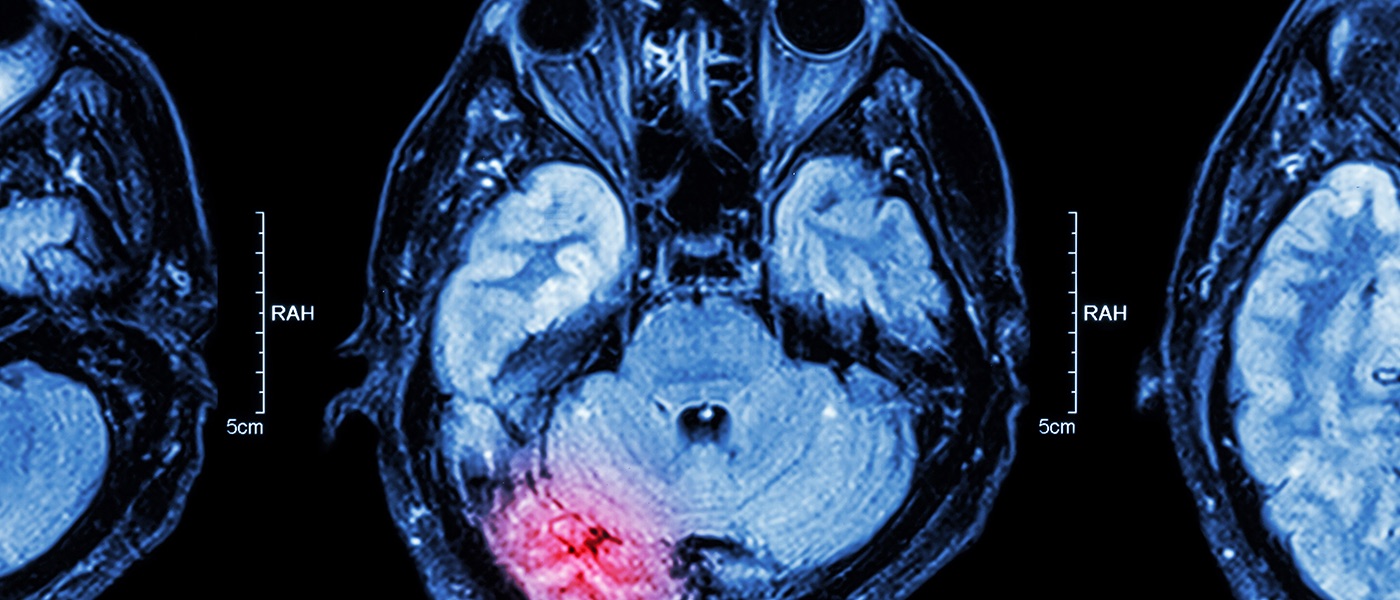
A brain injury can affect memory, focus, mood, and personality even when the symptoms are not visible.
A traumatic brain injury is not always obvious from the outside. A person may leave a car crash, fall, or other accident with a concussion diagnosis and later struggle with headaches, memory problems, difficulty concentrating, mood changes, or fatigue. These symptoms can interfere with work, family life, and everyday tasks. Some improve quickly. Others require ongoing treatment and support.
A brain injury claim must show more than the initial diagnosis. It must explain how the injury affects your daily life. Medical records are important, but so are treatment history, symptoms, work limitations, and other documentation that shows the full effect of the injury.
Insurance companies may describe a TBI as mild or temporary. That label does not answer the key question: what does the injury require now, and what may it require in the future? A fair evaluation should consider current treatment, future care, lost income, and other documented limitations.
Berry Law prepares brain injury cases with detailed evidence and expert testimony when needed. We evaluate settlement offers to determine whether they account for the full scope of the loss. If an insurer will not make a fair offer, our trial attorneys are prepared to take the case further. We work on a contingency-fee basis, meaning we do not collect an attorney fee unless we win your case.

A valid case depends on proving that another party's negligence directly caused your injury. A TBI often results from accidents where safety protocols were ignored, such as motor vehicle crashes, premises hazards, or defective products. Even if the signs were subtle initially, the lasting effects on your cognition and quality of life are compensable damages. We evaluate your situation by analyzing the incident's cause, the medical proof of your injury, and the resulting financial and personal losses. You don't have to navigate this uncertainty alone; we review the facts of your accident to determine if you have a viable claim. If liability exists, we build a case designed to hold the responsible party accountable. Your recovery is our priority, and we assess every element of your case to ensure you have the best chance at a successful outcome.
Compensation for a traumatic brain injury is intended to cover both economic and non-economic losses. Economic damages include current and future medical expenses, rehabilitation costs, therapy for cognitive or physical impairments, and lost wages if you are unable to work. We also pursue non-economic damages, which address the "human" cost of the injury, such as pain and suffering, emotional distress, loss of enjoyment of life, and the strain placed on your personal relationships. Because TBIs are often catastrophic, the long-term impact on your livelihood can be significant. Our goal is to calculate a settlement that accounts for these ongoing needs, ensuring you aren't left paying for the consequences of someone else’s mistake. We pursue compensation for documented current and future losses.
A diagnosis of a "mild" traumatic brain injury, often called a concussion, can still have serious, long-term effects. Unfortunately, insurance adjusters often use the term "mild" to argue that your injury is temporary or insignificant, attempting to minimize your claim. However, "mild" describes the clinical grade of the injury, not the reality of your daily experience. Many victims suffer from persistent symptoms like chronic headaches, memory loss, anxiety, and concentration issues that impede their ability to perform job duties or engage with family. Our firm is prepared to address these arguments by presenting medical evidence that highlights the true severity of your symptoms. We ensure your claim reflects the real-world consequences of your injury, regardless of how it was initially labeled by the medical staff, and pursue compensation for your documented losses.
Not going to the hospital immediately after an accident does not automatically disqualify you from bringing a case, but it can make the process more challenging. Many TBI symptoms, such as confusion, sensitivity to light, or mood changes, have a delayed onset and may not be immediately obvious in the adrenaline-filled moments following an incident. While insurance companies may attempt to use a lack of immediate medical records to argue that your injury was caused by a subsequent event, this is not a winning argument if we have the right evidence. We work to reconstruct the timeline of your incident and connect it to your later diagnosis through expert medical testimony. The most important step is to seek a medical evaluation as soon as you recognize symptoms, as this establishes the necessary link between the incident and your current condition.
Practical tools and clear information to help you understand your legal options. Explore Berry Law articles, videos, and calculators for Veterans, injured people, and their families.

Get a free review of your case from our personal injury attorneys.


A strong claim starts with the facts and follows the evidence. Berry Law handles the legal work so you can focus on your recovery.
We review your case at no cost and explain your options.
You can call us 24/7.
We gather evidence, obtain medical records, interview witnesses and build your case.
We negotiate aggressively with insurance companies to get you fair compensation.
We settle your case or take it to trial if the insurance company will not pay fairly.

Contact our personal injury attorneys today for a free consultation. We understand what you're going through and will fight for the compensation you're entitled to.


