Free Consultation • Available 24/7


Many Veterans suffer from medical conditions secondary to PTSD. Learn what conditions can be service-connected secondary to PTSD and how to get the VA disability benefits you deserve.
Post-traumatic stress disorder (PTSD) is a common service-connected disability among Veterans. But did you know that PTSD can also cause or aggravate other physical and mental health conditions? These secondary conditions may qualify you for additional VA disability compensation.
Some of the most common conditions secondary to PTSD include sleep apnea, gastroesophageal reflux disease (GERD), hypertension, migraines, and erectile dysfunction. Mental health conditions like depression an
d anxiety can also develop secondary to PTSD. A Veteran must have a diagnosis of PTSD and a medical opinion linking the secondary condition to their PTSD in order to receive service connection on a secondary basis.
Filing a claim for secondary service connection can be tricky. The VA may require a compensation and pension (C&P) exam and a medical nexus opinion to prove the link between PTSD and the secondary condition. An experienced Veterans disability attorney can help gather the necessary evidence and present the strongest case for benefits.
Disclaimer: This material is for informational purposes only. It does not create an attorney-client relationship between the firm and the viewer and does not constitute legal advice. Legal advice must be tailored to the specific circumstances of each case, and the content of this video is not a substitute for legal counsel.
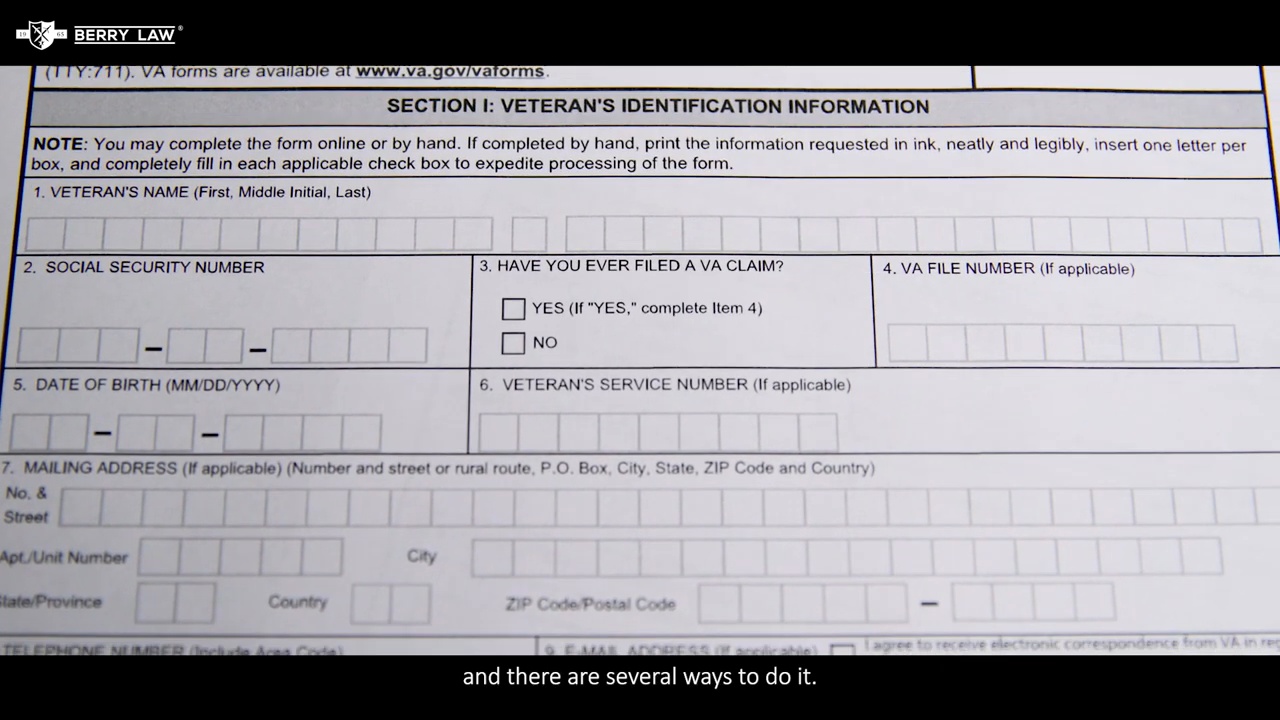

Submitting an Intent to File form may help Veterans protect an effective date for potential VA disability benefits and retroactive compensation.

You may receive an email from the VA saying you have limited time left to complete your disability application.
Our attorneys are ready to discuss your case and answer any questions you may have.


A comprehensive guide to understanding VA disability claims, ratings, appeals, and back pay.

Talk with Berry Law at no cost. We will review your VA decision, listen to what happened, and help you understand the available next steps.


